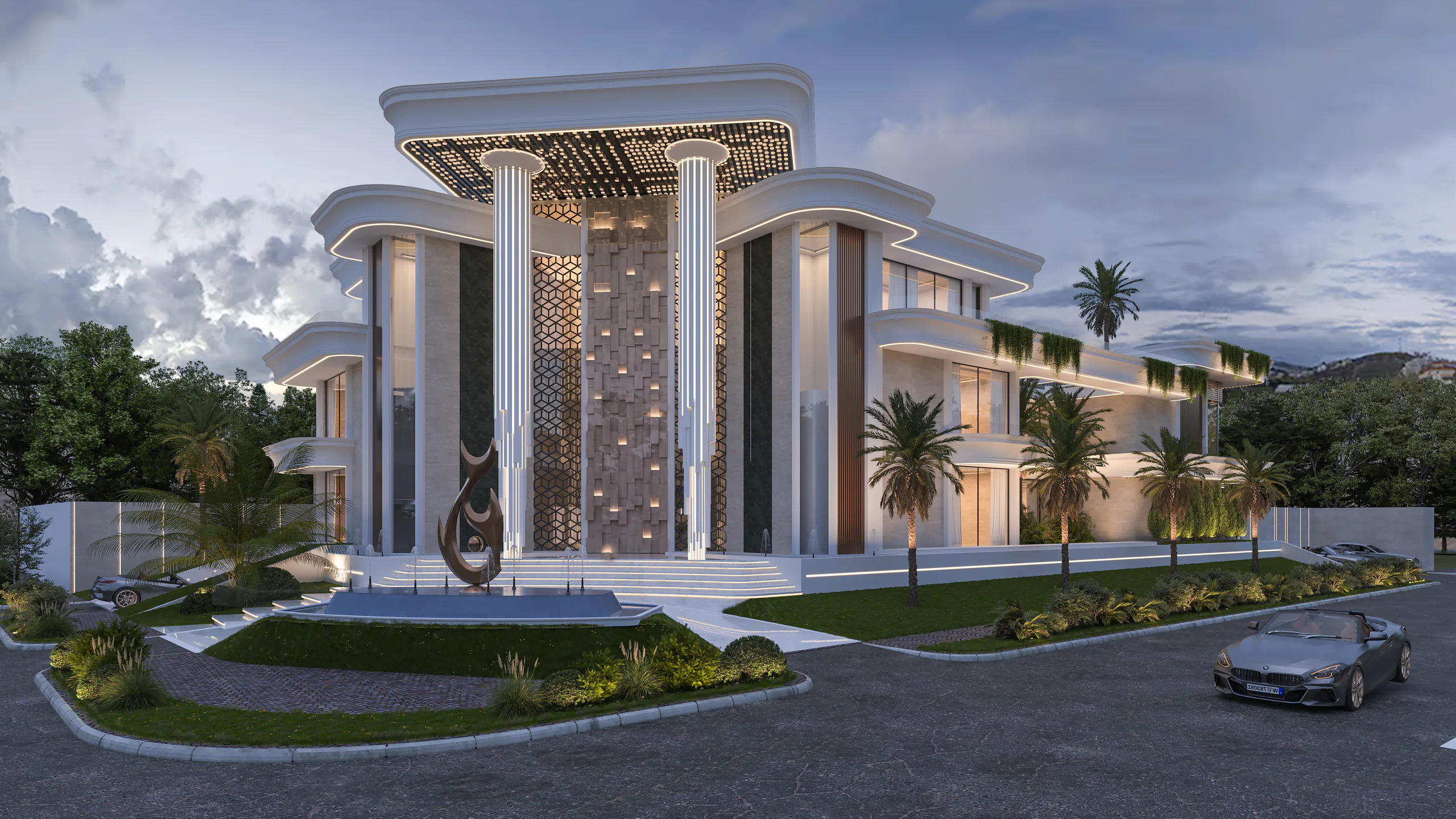
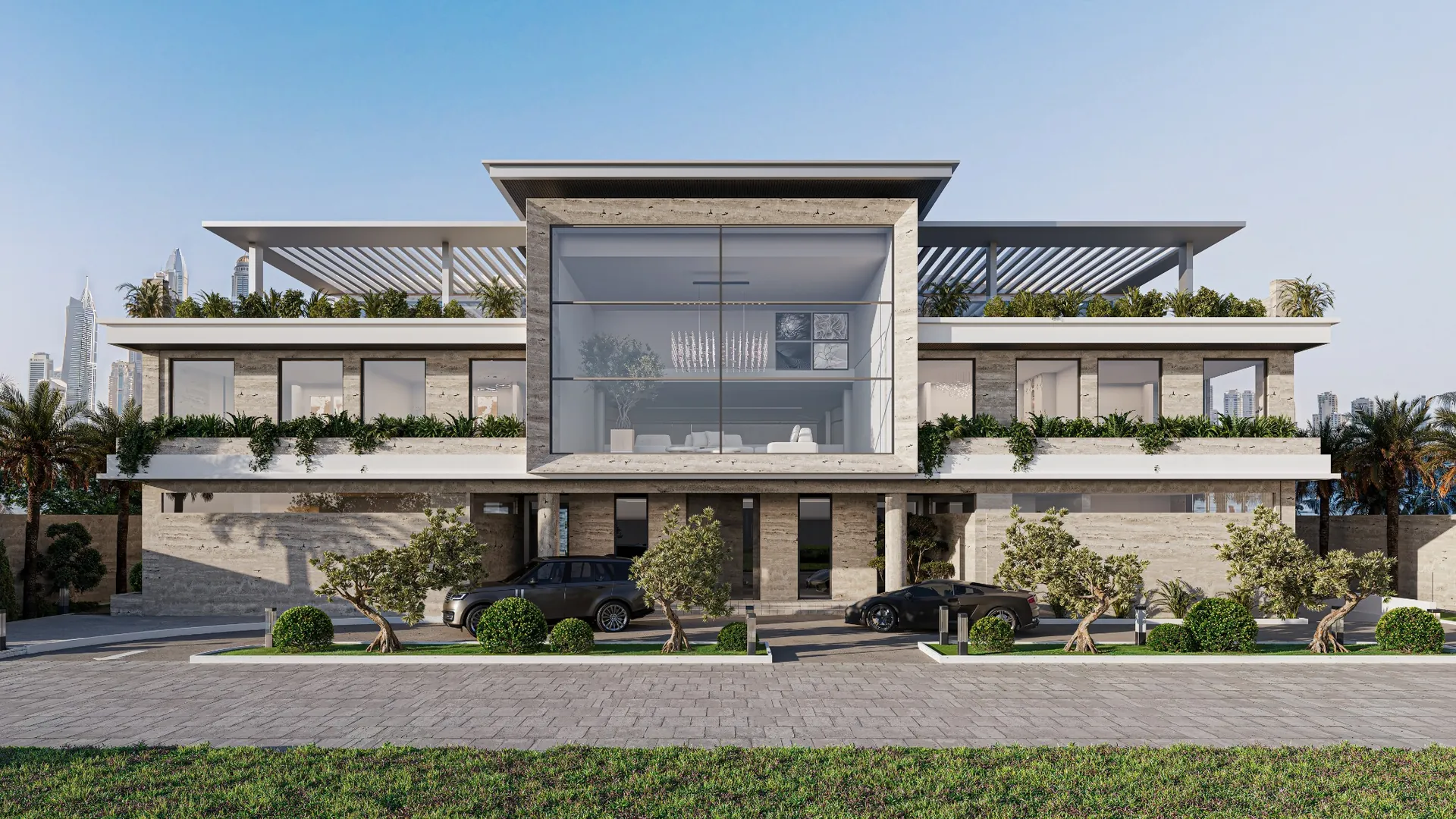
Renovating a villa in Dubai is not just about design ideas and budgets. If your property is in a gated community or a master development, there are strict rules you must follow before any work begins. Ignoring these rules can lead to fines, work delays, or being forced to undo completed renovations.
Whether you plan to renovate a villa for personal use or to increase rental or resale value, knowing the approval process is important. Here, we will explain how villa renovation rules work in Dubai, what is allowed, what needs approval, and how a professional villa renovation company in Dubai can help you avoid costly mistakes.
Why Gated Communities Have Strict Villa Renovation Rules
Gated communities in Dubai are planned developments. They have their community rules to protect property value, safety, and community standards.
Maintaining Community Appearance
Master developers apply design guidelines to ensure all villas maintain a consistent look. This includes:
• Exterior colors
• Boundary walls
• Roofing styles
• Landscaping visibility
Unapproved exterior changes can disrupt the visual harmony of the community.
Structural and Infrastructure Safety
Many villas share underground services such as drainage, electrical lines, and irrigation systems. Structural changes without engineering approval can damage shared infrastructure or affect nearby villas.
Minimizing Disruption to Residents
Renovation rules also regulate:
• Working hours
• Noise levels
• Contractor access
• Waste removal
These controls protect residents from long-term disturbance.
Authorities Involved in Villa Renovation Approval in Dubai
Renovating a villa in Dubai usually requires approval from more than one authority.
Master Developers
Each master development has its own rules and approval process. Common developers include:
• Emaar
• Nakheel
• Dubai Properties
• DAMAC
They review design compliance and issue the initial NOC.
Government Authorities
Depending on location and scope:
• Dubai Municipality approvals may be required
• Trakhees approvals apply in specific zones
Community Management Companies
They oversee site inspections, deposits, and contractor registration.
A licensed villa renovation company in Dubai typically coordinates all approvals on your behalf.
What Renovation Work Is Usually Allowed
Not all renovation work carries the same level of restriction.
Internal Renovations (Easier to Approve)
Most communities allow internal changes with minimal approvals:
• Kitchen renovation
• Bathroom renovation
• Flooring replacement
• Ceiling redesign
• Electrical and plumbing upgrades
As long as structural walls are untouched, approvals are usually faster.
External Renovations (Strictly Controlled)
External changes almost always need detailed approval:
• Villa extensions
• Pergolas and shaded structures
• Swimming pools
• Roof modifications
• Boundary wall changes
Some communities limit the size or placement of extensions entirely.
Structural Changes
Removing load-bearing walls, adding floors, or changing layouts requires:
• Structural engineering drawings
• Authority inspections
• Additional fees and time
Step-by-Step Villa Renovation Approval Process
Understanding the process helps set realistic timelines.
Step 1: Design and Scope Planning
Architectural drawings are prepared based on community guidelines. This stage decides what is feasible and what is not.
Step 2: Community NOC Submission
Designs are submitted to the community management or master developer for review. Revisions may be requested.
Step 3: Authority Approvals
If required, drawings are submitted to the Dubai Municipality or other relevant authorities.
Step 4: Contractor Registration and Deposits
Only approved villa contractors can work inside most gated communities. Security deposits are usually mandatory.
Step 5: Renovation Execution and Inspections
Periodic inspections ensure work matches approved plans.
Step 6: Completion and Clearance
Final inspection clears the project and releases deposits.
Skipping any step can cause serious delays.
Community-Specific Renovation Rules in Dubai
Each community applies its own standards.
Palm Jumeirah Villas
• Waterfront structural restrictions
• Strict façade and height rules
• Marine authority approvals for certain works
Dubai Hills and Emirates Hills
• Controlled extension limits
• Landscape design review
• Visibility restrictions from roads
Arabian Ranches and Jumeirah Golf Estates
• Defined extension percentages
• Parking and access regulations
• Noise and work hour limits
Before you renovate a villa, rules must be checked at the community level, not assumed.
Common Mistakes Villa Owners Make
Many renovation issues come from poor planning.
Starting Work without Approval
Unauthorized work can result in stop-work notices and penalties.
Hiring Unapproved Contractors
Communities reject non-registered contractors, even if they are licensed elsewhere.
Ignoring Design Guidelines
Small changes like window style or paint color can cause rejection.
Underestimating Time and Cost
Approval timelines and revision cycles often add weeks to projects.
Working with an experienced villa renovation company in Dubai helps avoid these issues.
How a Professional Villa Renovation Company Helps
A professional Villa Renovation contractor does more than construction.
Approval Management
They handle:
• Drawings
• NOC submissions
• Authority coordination
• Inspections
Design That Fits Rules
Designs are prepared to meet community standards from day one.
Cost and Timeline Control
Clear scopes reduce variation costs and delays.
One Point of Responsibility
From planning to handover, accountability stays with one team.
This reduces stress and protects your investment.
Cost Considerations for Villa Renovation in Gated Communities
Renovation cost goes beyond construction.
Approval and NOC Fees
Each authority charges review and processing fees.
Design and Engineering Costs
Architectural and structural drawings are mandatory for most projects.
Construction Costs
Costs vary by scope, materials, and villa size.
Deposits and Contingencies
Refundable deposits and compliance changes should be budgeted.
Proper planning keeps renovation costs predictable.
FAQs: Villa Renovation Rules in Dubai
Do I need approval to renovate my villa in Dubai?
Yes, especially in gated communities and master developments.
How long does villa renovation approval take?
It typically takes 2–6 weeks, depending on the scope and community.
Can I change my villa’s exterior?
Only with approval and within community guidelines.
What happens if I renovate without permission?
You may face fines, forced removal of work, or legal action.
Do I need a licensed contractor?
Yes. Most communities allow only approved villa renovation contractors.
Are the rules the same across all communities?
No. Each master development has its own guidelines.
Renovate Smart and Protect Your Property Value
Renovating a villa in Dubai can add comfort, style, and long-term value; however, only when done correctly. Gated communities and master developments enforce rules for a reason, and working within them saves time, money, and frustration.
If you plan to renovate a villa, start with proper guidance, approved designs, and a contractor who understands Dubai’s authority approval systems.
Thinking about villa renovation in Dubai?
Speak with a trusted villa renovation company in Dubai to review your options before work begins.